
Science-policy interfaces (SPIs) are an increasingly important feature of the United Nations system, helping to generate, assess, and mobilize scientific knowledge for policymakers. Recent efforts to establish new SPIs in areas including artificial intelligence, chemicals, waste and pollution, and antimicrobial resistance demonstrate growing demand for these institutions. Yet questions remain about how SPIs should be designed to ensure they are effective, adaptable and able to support policy decisions.
 Featured
2:34
Featured
2:34
Rethinking Pandemic Risk in a Changing Climate
In this interview for the Global Governance Innovation Platform (GGI), Colin Carlson reflects on how environmental change is altering patterns of infectious disease risk worldwide. He points to the need to better connect climate, biodiversity and public health data to anticipate emerging threats and strengthen global preparedness for future pandemics.
Colin J. Carlson, Assistant Professor of Epidemiology, Yale School of Public Health
Watch nowAn overview of the Global Governance Innovation Platform
The GGI Special Forum on Science Policy Interfaces
Designing Science-Policy Interfaces across Challenges and Fields
The UN has recently created new science-policy interfaces on artificial intelligence and on chemicals, waste and pollution, and a panel on antimicrobial resistance is expected in 2026. This introduction sets out four design considerations for the series.
Download PDF ⬇The Independent Panel on Evidence for Action against Antimicrobial Resistance: Building a Science-Policy Interface Fit for the Twenty-First Century
The Independent Panel on Evidence for Action against Antimicrobial Resistance is expected to launch in 2026. This memo sets out the governance gap the Panel would fill and reviews the key design choices facing policymakers.
Download PDF ⬇Can the New Intergovernmental Science-Policy Panel on Chemicals, Waste and Pollution Succeed?
The Panel was established in June 2025, but its first plenary stalled over procedure. This memo argues it should not simply copy the IPCC or IPBES, and identifies three issues central to its success.
Download PDF ⬇Participation is the Fundamental Building Block in Science-Policy Interface Design
Debates on institutional design usually focus on structures and rules. Drawing on lessons from the IPCC, this memo shows why the people who take part are central to how science-policy interfaces work.
Download PDF ⬇Reflecting on Science Uptake in Multilateral Environmental Agreements
Reports from bodies such as the IPCC and IPBES face growing resistance in multilateral environmental agreements. This memo argues that knowledge uptake should be built into the design of new interfaces.
Download PDF ⬇Other Publications
Governing with Evidence: How the UN System Generates, Mobilizes and Uses Science
How does the UN use science to shape global decisions? A new UNU-CPR report maps the multilateral science-policy ecosystem.
Download PDF ⬇News and Events
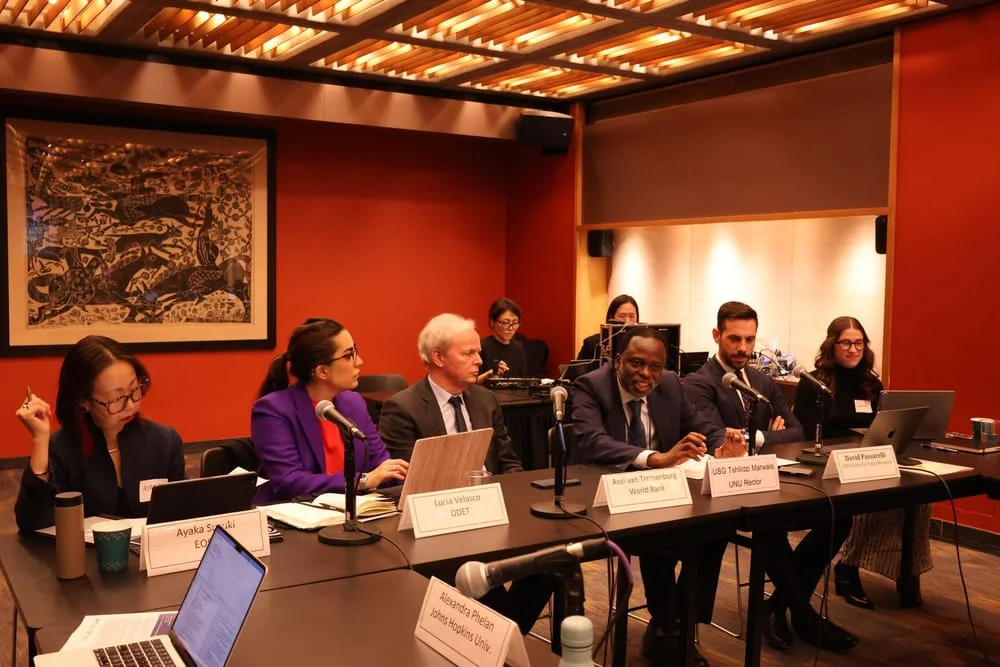
Designing Next-Generation Science-Policy Interfaces
On 29 October 2025, UNU-CPR and the British Academy convened a high-level workshop in New York on how scientific expertise can better inform multilateral decision-making.
View event →GGI Videos
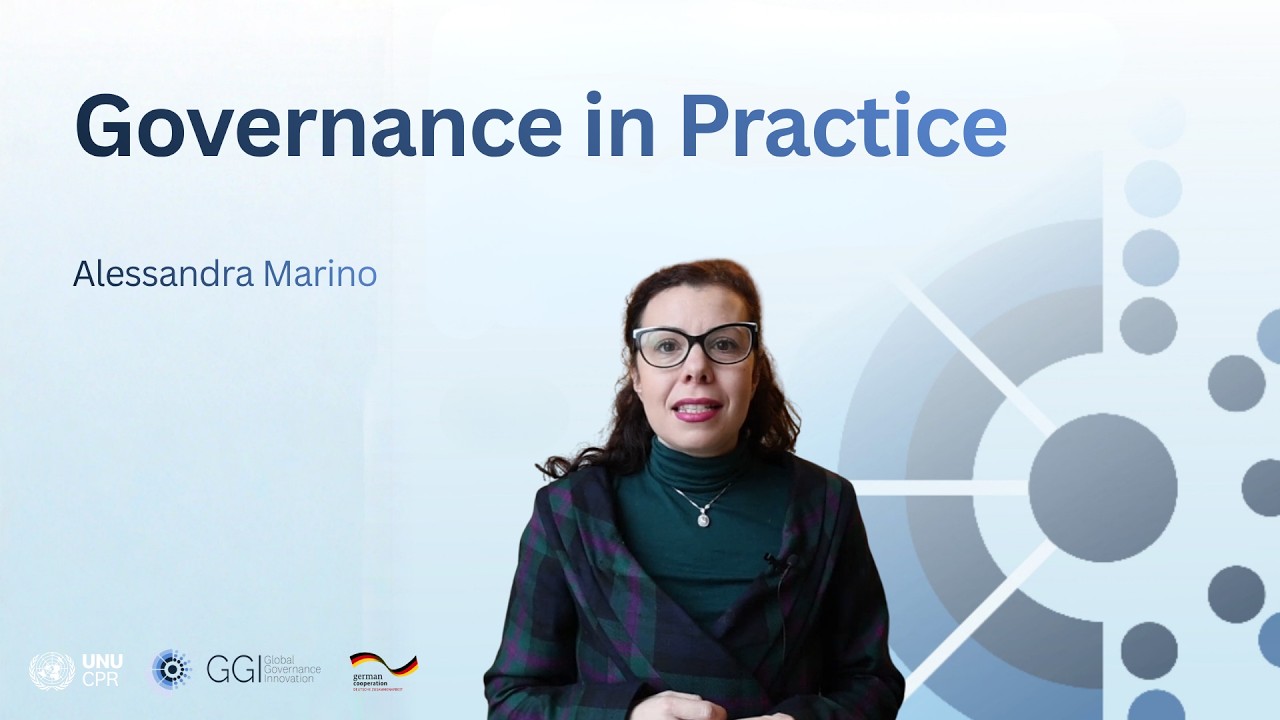
Governing Outer Space in a New Era of Exploration
In this interview for the Global Governance Innovation Platform (GGI), recorded during the Global Governance Innovation Inception Workshop (16–17 January 2025), Alessandra Marino discusses how the pace of outer space activity is outstripping governance. She points to risks for the protection of cultural and natural heritage on the Moon, alongside the need for closer links between scientific expertise and policymaking, and for broader participation in shaping how space is governed.
Watch video ▶